What Makes a Modern TRT Clinic Near Me Patient-Focused?


Searches for a "trt clinic near me" often start with frustration. A man has noticed his energy slipping, his workouts stalling, his mood flattening, or his sex drive changing in ways that do not feel normal for him. He wants answers, but he does not want to be shuffled through a rushed appointment, sold a one-size-fits-all protocol, or treated like a lab number. That is where the idea of a patient-focused TRT clinic matters.
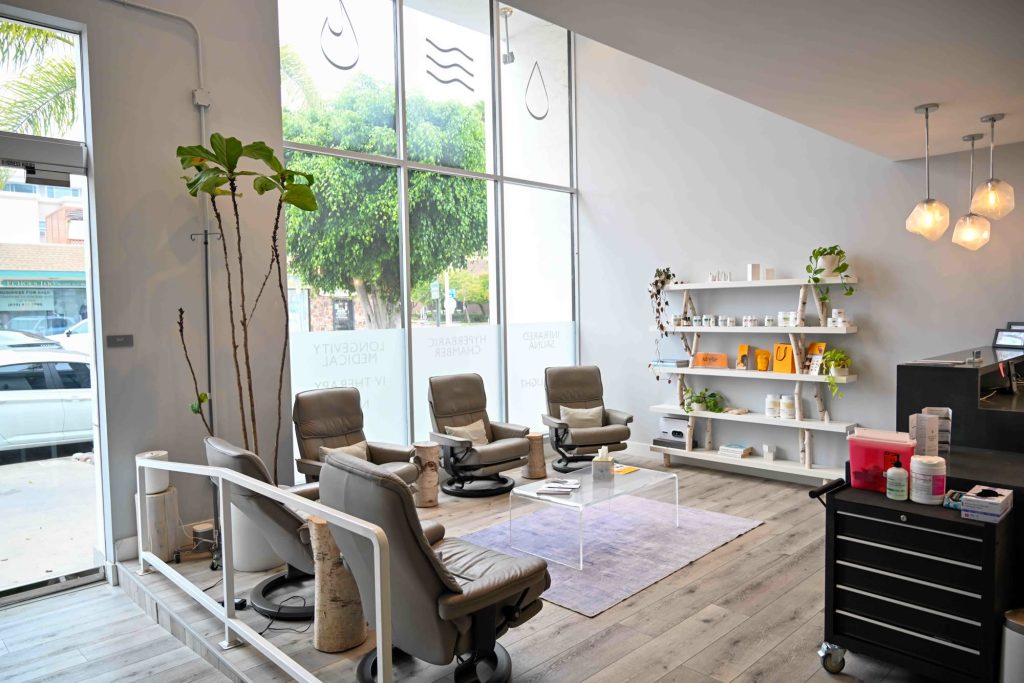
A modern testosterone replacement therapy clinic is not defined by slick branding, a same-day prescription promise, or a waiting room with polished concrete and designer lighting. Those things may look current, but they say nothing about how a patient is actually assessed, educated, monitored, and supported. Patient-focused care is less about aesthetics and more about behavior. It shows up in the way the clinic asks questions, explains decisions, handles follow-up, and responds when treatment does not go exactly as planned.
That distinction matters because TRT is not a simple retail product. It is ongoing medical care. Done well, it can improve quality of life for appropriately selected patients. Done poorly, it can leave someone chasing side effects, suppressing natural production without clear benefit, or masking a different health issue that should have been addressed first.
The first sign is that the clinic cares about diagnosis, not just demand
The least patient-focused version of TRT care is easy to spot. A patient reports fatigue, low libido, and poor focus. The clinic hears "low testosterone" before it hears the full story. That can be tempting in a high-volume setting because it shortens the path from inquiry to treatment. It also overlooks the reality that similar symptoms can come from poor sleep, sleep apnea, depression, medication effects, excess alcohol use, obesity, thyroid disorders, overtraining, chronic stress, or plain old burnout.
A patient-focused clinic slows that process down just enough to get it right. Not endlessly, not bureaucratically, but responsibly. It wants a proper symptom history. It asks when the changes started, whether they were gradual or sudden, how sleep looks, what medications are on board, whether the patient wants fertility preserved, and whether there are cardiovascular risks or untreated conditions in play. It usually confirms low testosterone with appropriate morning lab testing, and often more than once when needed, because testosterone levels can fluctuate.
That may sound obvious, but it is one of the biggest dividing lines between serious care and transactional care. A clinic that treats the lab value in isolation misses the point. A clinic that treats symptoms without adequate labs misses the point in the other direction. Patient-focused care holds both at once.
Good clinics explain what TRT can do, and what it cannot
Many patients arrive with a mixture of hope and misinformation. Some have heard TRT described like a reset button. Others have been warned that it is reckless or unnatural. Neither extreme helps. A patient-focused clinic does not sell fantasies and does not use fear as a management tool. It explains the likely benefits, the limitations, and the trade-offs.
For the right patient, TRT may help with libido, erectile quality in some cases, energy, mood, recovery, and body composition over time. It may not transform every symptom. If someone is sleeping five hours a night, carrying severe untreated sleep apnea, and working under intense stress, testosterone alone is unlikely to fix the whole picture. A careful clinician says that directly.
The same goes for timing. Some changes may be noticeable within weeks, while body composition and strength effects usually unfold more gradually and depend heavily on training, nutrition, age, and baseline health. Clinics that promise dramatic changes on a tight timeline often create unrealistic expectations, and disappointed patients either abandon care too early or push for unnecessary dose changes.
A patient-focused practice also addresses less glamorous realities. TRT can reduce fertility. It can affect hematocrit. It can aggravate acne in some patients. It may require dose adjustments, changes in administration route, or further evaluation if symptoms and labs do not match. Real medicine includes those conversations.
Individualization is not a buzzword, it is the core of the work
If you talk to enough men on TRT, you will hear the same story repeated in different forms. One patient does well on a conservative dose with weekly injections. Another feels better with more frequent dosing. A third prefers a gel because he travels constantly and cannot manage injection supplies easily. A fourth wants to preserve fertility and should not be routed into a standard TRT pathway without discussion of alternatives or adjunctive strategies.
A patient-focused clinic builds treatment around the person, not around operational convenience. That starts with the delivery method. Injections, topical formulations, and other options each come with practical pros and cons. The right choice depends on lifestyle, preference, skin sensitivity, family exposure risks with gels, needle comfort, schedule consistency, and prior response.
It also applies to the dose. The best clinicians do not chase arbitrary numbers or online forum bragging rights. They look at symptoms, lab trends, side effects, and the patient’s goals. In practice, that often means resisting pressure from both directions. Sometimes a patient wants more because he assumes higher levels must mean better results. Sometimes he wants less because he is anxious about treatment in general. A good clinic can explain why the middle ground is often where good outcomes live.
I have seen patient experiences go off course when clinics use canned protocols. Two men of similar age can have very different responses to the same dose. One may feel stable. The other may see estradiol-related symptoms, rising hematocrit, or fluctuating mood between doses. Modern care means paying attention to those differences early, not after months of frustration.
Accessibility matters, but speed should not replace judgment
SDBody La Jolla trt clinic near meConvenience is part of being patient-focused. Long waits, vague communication, and difficult scheduling wear people down. If a clinic cannot answer basic questions, return calls, or arrange appropriate follow-up, even a smart treatment plan starts to feel careless. Patients should not have to chase their own care.
That said, convenience becomes a problem when it turns into a sales funnel. A same-day evaluation can be perfectly appropriate if it includes proper medical review and lab planning. A same-day prescription based on minimal history and inadequate testing is a different story. Modern clinics know how to move efficiently without becoming reckless.
The best setups usually have several practical strengths. Online intake forms are clear, not repetitive. Staff know the difference between administrative questions and medical questions. Follow-up appointments are available on a sensible schedule. Prescription refills are handled predictably. There is a path for urgent concerns, such as unexpected side effects or questions after starting treatment.
For many patients, telemedicine is part of that equation. It can be a real benefit, especially for men with demanding jobs, rural locations, or limited local access. A patient-focused clinic uses telehealth thoughtfully. It does not treat remote care as an excuse to become superficial. The standard of thinking should be the same whether the visit happens in person or through a screen.
Monitoring is where patient-focused care proves itself
Starting TRT is easy compared with managing it well over time. Plenty of clinics can get a patient onto therapy. Fewer handle the next six to twelve months with consistency and clinical discipline.
Monitoring should not feel like a nuisance add-on. It is how the clinic checks whether treatment is helping, whether the dose makes sense, and whether the patient is developing issues that need attention. Good follow-up includes symptom review, labs at appropriate intervals, and practical conversation about adherence, administration, and lifestyle factors that may affect outcomes.
A patient-focused clinic also avoids overreacting to every single data point. Lab interpretation requires context. Testosterone levels vary based on timing and formulation. Hematocrit trends matter more than one isolated result taken out of context. Estradiol questions often require nuance, especially when a patient is feeling well and chasing a perfectly neat lab sheet would create more problems than it solves.
That kind of judgment is what patients are paying for, whether they realize it at first or not. A clinic that only repeats protocol steps without interpretation is not really managing care. It is processing transactions.
One practical marker of quality is how the clinic handles a patient who says, "My numbers look better, but I do not feel much different." That is a common and important situation. A patient-focused response explores sleep, training load, stress, body weight, relationship factors, medication interactions, and timing of symptom change. A poor response is to simply increase the dose and hope for the best.
Fertility discussions separate serious clinics from careless ones
This topic deserves more attention than it often gets. Many men seeking TRT are still planning families, uncertain about future fertility, or have not thought through the issue at all. Exogenous testosterone can suppress sperm production, sometimes significantly. If a clinic skips that discussion, it has failed a basic duty of informed care.
A patient-focused clinic raises the issue proactively. It asks whether the patient wants children now, later, or not at all. It explains the implications in plain language. If fertility preservation matters, the treatment conversation may look different from the start. That may mean discussing alternatives, timing considerations, or referral to appropriate specialists depending on the situation.
This is one of those areas where lived clinical maturity shows. Patients often do not know what to ask. Good clinics do not wait to be prompted on the subjects that matter most.
Education should feel clear, not overwhelming
Medical information can be delivered in a way that empowers patients, or in a way that makes them nod politely while absorbing almost nothing. Patient-focused clinics understand the difference.
The best education is specific. It covers how to take the medication, what side effects deserve a call, how soon to expect changes, what blood work is for, and what to do if a dose is missed. It also explains why lifestyle still matters. TRT can support better outcomes, but it does not replace sleep hygiene, resistance training, nutrition, weight management, or treatment of comorbid conditions.
I have seen patients do better simply because someone took ten extra minutes to teach them the practical side of care. Injection technique became less stressful. Timing errors were fixed. Unrealistic expectations were reset before they turned into discouragement. Education is not fluff. It changes adherence and outcomes.
A patient-focused clinic also knows when not to flood a person with detail. At the first visit, a man may be anxious, skeptical, or mentally exhausted. Clear instructions beat dense monologues. Written summaries, portal messages, and reliable follow-up help patients absorb information at a realistic pace.
The clinic should treat the whole patient, not just testosterone
Low testosterone rarely exists in a vacuum. It often shows up alongside excess body fat, insulin resistance, sedentary habits, poor sleep, stress overload, or medications that affect hormonal balance. A patient-focused clinic does not use TRT as a way to ignore those factors. It integrates them into care.
That does not mean every clinic needs an in-house nutritionist, cardiologist, sleep specialist, and therapist. It does mean the clinician should recognize when another issue is central to the patient’s symptoms and either address it or refer appropriately. If a patient is waking up gasping, snores heavily, and falls asleep at red lights, a sleep apnea workup is not optional window dressing. If blood pressure is consistently elevated, that deserves attention. If depression is severe, that cannot be brushed off as "just low T."
This broader view tends to make patients trust the process more. They sense that the clinic is not trying to fit every problem into one treatment category. Ironically, that often makes them more comfortable pursuing TRT when it truly is appropriate.
Pricing transparency is part of respect
Patient focus is not only clinical. It is operational and financial too. Hidden fees, confusing membership structures, surprise lab charges, and refill costs that surface late in the process all erode trust. Patients should know what they are paying for.
Transparent clinics explain whether the fee includes visits, labs, medication, supplies, or only some of those elements. They explain how often labs are typically needed and what changes could affect cost. If telemedicine, in-person visits, or additional consultations are billed differently, that should be clear before treatment starts.
This does not mean the cheapest clinic is the most patient-focused. Often it is not. But cost clarity is a sign of basic professionalism. When men search "trt clinic near me," they are often comparing more than geography. They are trying to judge who seems legitimate. Straightforward pricing helps.
What patients should notice during the first few interactions
You can usually learn a lot before committing to care. The intake process, the first call, and the initial visit often reveal whether a clinic values the patient or just the conversion.
Here are a few signs worth noticing:
- The staff ask about symptoms, history, and goals before talking about treatment packages.
- The clinician discusses labs and diagnosis with nuance, rather than treating TRT as automatic.
- Fertility, side effects, and follow-up are addressed without being brushed aside.
- Questions are answered directly, in plain English, without pressure tactics.
- The monitoring plan is clear, including when labs are checked and how dose adjustments are made.
None of those points are flashy. That is exactly why they matter. Good medicine often looks calm and ordinary up close.
Red flags are usually subtle before they become obvious
Very few clinics advertise themselves as careless. Problems tend to show up in patterns. The website may overpromise. The consultation may feel more like a sales call than a medical visit. Labs may be minimized. Side effects may be framed as rare inconveniences instead of manageable realities. Questions may be met with generic reassurance rather than thoughtful explanation.
Sometimes the issue is not overt incompetence, but a lack of curiosity. If the clinic has no interest in why symptoms developed, whether another condition might be involved, or whether the patient’s goals fit the treatment, that is a warning sign. Medicine requires curiosity. Protocol alone cannot replace it.
A clinic can also be too aggressive in ways that sound appealing at first. Very high starting doses, broad use of add-on medications without clear indication, or constant emphasis on maximizing numbers can create a short-term sense of action while setting up long-term instability. Patient-focused care is not timid, but it is deliberate.
Why communication style says so much
A lot of men tolerate poor communication longer than they should because they assume that is just how medical care works. It does not have to. The strongest clinics build trust through communication that is timely, specific, and respectful.
When a patient messages about headaches after starting treatment, he should not get a copy-paste response that ignores context. When labs come back, the explanation should connect the findings to how he feels and what happens next. When no change is needed, the clinic should say why. Silence creates anxiety. Generic language creates distance.
This is especially important in hormone care because patients are often paying close attention to their bodies, sometimes more than usual. Small shifts in energy, sleep, libido, or mood can feel significant. Not every change is caused by TRT, but every change deserves a clinician who can sort signal from noise.
A modern clinic earns confidence over time
The phrase "patient-focused" gets overused because it sounds good and means little unless someone can point to concrete behavior. In TRT care, that behavior is visible. It appears in careful diagnosis, individualized treatment, honest education, reliable monitoring, financial transparency, and communication that treats patients like thinking adults.
The best clinic near you may not be the one with the loudest marketing. It may be the one that tells you to wait for better lab confirmation, asks about fertility before you thought to mention it, and reminds you that improving sleep and body composition will make the treatment work better if you start. That kind of restraint is not lack of confidence. It is professionalism.
When patients search for a "trt clinic near me," what they usually want is not just proximity. They want a place that feels competent, modern, and safe. The clinics that truly deserve that trust are the ones that remember a simple fact: TRT is personal, but it should never be casual.
SDBody La Jolla
Address: 7710 Fay Ave, La Jolla, CA 92037
Phone number: +18584012383
FAQ About TRT Clinic Near Me
How much does TRT cost on average?
The average all-in cost of Testosterone Replacement Therapy (TRT) typically ranges from $100 to $500 per month, or about $1,200 to $6,000 annually.
Will insurance cover TRT clinic?
Health insurance covers testosterone replacement therapy (TRT) only when a doctor diagnoses clinical hypogonadism and proves it is medically necessary.
What does Joe Rogan use for TRT?
Joe Rogan uses prescribed testosterone injections under doctor supervision for his testosterone replacement therapy (TRT).