Can TRT Replacement Therapy Near Me Improve Daily Performance?


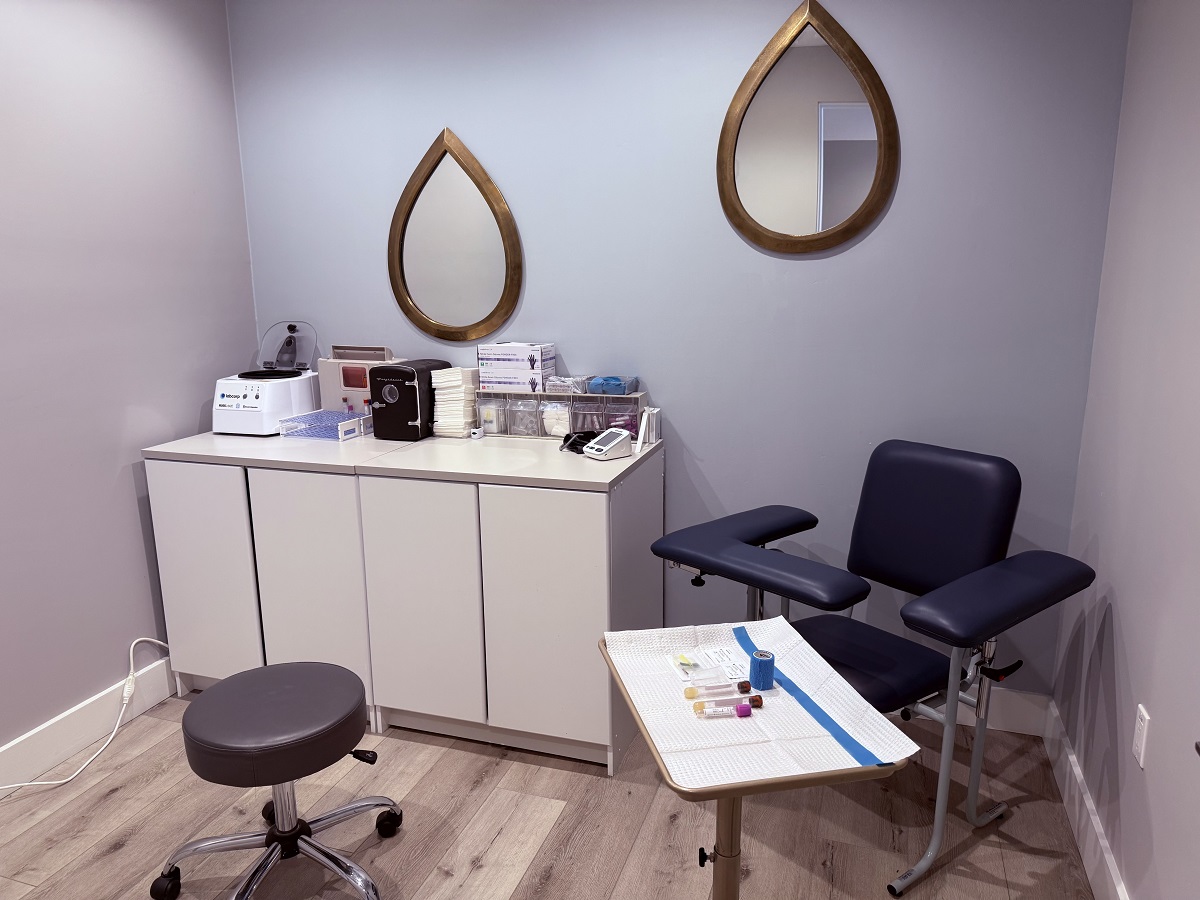
Search interest in Trt replacement therapy near me usually comes from a very specific place. A man is not simply curious about hormones. He is tired at 3 p.m., less productive than he used to be, struggling to recover after workouts, foggy in meetings, less engaged at home, and not entirely sure when that slide began. The question is rarely about lab numbers alone. It is about whether treatment can help him function better in ordinary life.
The short answer is yes, testosterone replacement therapy can improve daily performance for men with clinically low testosterone. The longer answer matters more. TRT is not a stimulant, not a shortcut, and not a universal fix for every kind of fatigue or low motivation. It helps when the underlying problem is true testosterone deficiency and when treatment is monitored carefully. It can disappoint when the real issue is poor sleep, heavy alcohol use, depression, thyroid disease, unmanaged stress, or unrealistic expectations.
That distinction is where good care begins.
What “daily performance” actually means
People use that phrase loosely, but in practice it covers several areas that overlap. Mental sharpness is one. Energy is another. Physical stamina, mood, sexual function, recovery from exercise, and even patience under stress often enter the conversation. Men who seek evaluation for low testosterone commonly describe a broad flattening of performance rather than one dramatic symptom.
A typical pattern looks familiar. Someone in his late 30s, 40s, or 50s notices that he used to handle long workdays, early workouts, and family obligations without much trouble. Then the margin disappears. He still gets through the day, but everything feels heavier. He needs more caffeine, snaps more easily, loses drive in the gym, and starts to wonder whether this is normal aging or something else.
TRT can help some of those domains, especially energy, libido, body composition, and sense of vitality. Cognitive benefits are less predictable, though some men do report clearer thinking once hormone levels normalize. The key word is normalize. Proper TRT aims to restore physiological levels, not create a high-testosterone caricature of performance.
When testosterone is the real issue, and when it is not
Low testosterone symptoms overlap with a long list of common problems. That is why a reputable clinic will not diagnose hypogonadism from a symptom checklist alone.
Poor sleep is one of the biggest confounders. A man with untreated sleep apnea can feel exhausted, gain fat, lose libido, and show depressed testosterone levels. Shift work can do something similar. So can chronic dieting, overtraining, certain medications, obesity, diabetes, major depressive disorder, and high sustained stress. Even timing matters, because testosterone levels fluctuate and are usually measured in the morning.
A careful evaluation looks at the whole picture. It asks whether symptoms line up with low testosterone, whether bloodwork confirms it on more than one occasion when appropriate, and whether something else is driving the problem. In many cases, the right answer is not TRT first. It may be sleep testing, weight loss, medication review, treatment for insulin resistance, or addressing alcohol intake.
That is not a failure of the evaluation. That is the evaluation doing its job.
How TRT can improve everyday function
When a man with genuine testosterone deficiency starts a well-managed treatment plan, the changes are often practical rather than dramatic. He may notice steadier energy through the afternoon instead of a hard crash. Workouts may feel productive again. Sexual desire may return. Mood can lift, not in a euphoric way, but in a more even and engaged way. Some men describe it as feeling more like themselves.
The improvement in physical performance is often easier to understand than the mental side. Testosterone supports muscle protein synthesis, red blood cell production, and body composition. That can translate into better training response, easier recovery, and gradual improvement in strength or lean mass when paired with exercise and adequate nutrition. It does not replace disciplined habits, but it can make those habits pay off again.
The effect on work performance is more nuanced. TRT is not an attention drug. It will not make a chronically distracted person suddenly organized. What it can do, if low testosterone has been contributing to poor energy, low drive, and reduced resilience, is remove some of the drag. Men often describe more consistency, less afternoon fade, and better follow-through. Those gains can be meaningful, especially for professionals with demanding schedules.
Sexual health deserves direct mention because it is one of the most common reasons men seek help. Low libido, fewer spontaneous erections, and reduced sexual confidence can affect mood, relationships, and self-image. TRT can improve libido when low testosterone is the cause. Erectile dysfunction is more complicated. Erections depend on vascular, neurological, hormonal, and psychological factors. Some men improve substantially with TRT, others need additional evaluation.
The timeline is usually slower than people expect
This is where expectations can get off track. Some men feel a shift in energy or libido within a few weeks. For others, changes unfold over months. Body composition changes tend to be gradual. Strength gains depend heavily on training quality, protein intake, sleep, and baseline condition. If someone starts TRT expecting a complete turnaround in ten days, disappointment is likely.
In practice, many clinicians watch the first three to six months closely. Dosing may need adjustment. Symptom response may not perfectly match the first lab result. One man feels much better at levels that leave another still symptomatic. That does not mean treatment is guesswork, but it does mean good TRT care involves both data and judgment.
The men who do best usually view TRT as one part of a larger reset. They sleep more consistently, train intelligently, eat enough protein, reduce excess body fat, and limit alcohol. The therapy creates better conditions for performance. It does not eliminate the need for those basics.
Why local access matters more than people think
The “near me” part of the search is not trivial. TRT is an ongoing medical treatment, not a one-time purchase. Convenience affects adherence. So does the quality of follow-up. If appointments, labs, prescription refills, or side-effect checks become cumbersome, people drift, self-adjust doses, or disappear from monitoring, and that is when avoidable problems show up.
A nearby clinic can make several practical differences. It is easier to repeat labs when needed, discuss symptoms face to face, and adjust a plan based on how someone is actually doing. If an issue arises, such as elevated hematocrit, acne, breast tenderness, blood pressure changes, fertility concerns, or trouble with injections, quick access matters.
That does not mean every local option is good. Some clinics overpromise, under-test, or push standardized plans that ignore individual needs. Others are thorough, cautious, and excellent. Geography helps, but quality matters more than Trt replacement therapy near me proximity alone.
What a good evaluation should look like
A competent TRT workup should feel medical, not transactional. If a clinic seems eager to start treatment before understanding your health history, that is a warning sign.
At minimum, the assessment should include symptoms, medical history, medication review, and lab testing interpreted in context. Those labs often include total testosterone and may include free testosterone, sex hormone-binding globulin, estradiol, complete blood count, prostate-specific antigen when appropriate, thyroid markers, and metabolic indicators depending on age and risk profile. Fertility goals should come up early because TRT can suppress sperm production. Men who may want children in the near future should not discover that after treatment begins.
A responsible provider should also explain why your testosterone might be low. Is the issue primary testicular failure, obesity-related suppression, medication effect, pituitary signaling, or something else? The answer shapes treatment and follow-up.
Here are five questions worth asking when comparing local clinics:
- How do you confirm low testosterone before prescribing treatment?
- What lab tests do you monitor over time, and how often?
- How do you handle fertility concerns or men who still want children?
- What symptoms or side effects would prompt a dose adjustment?
- Do you tailor treatment methods, or does everyone receive the same protocol?
Those questions reveal a lot. Strong clinics answer clearly and without defensiveness.
Delivery methods and how they affect daily life
TRT is not one single product. It can be delivered through injections, gels, patches, pellets, and in some cases other forms depending on the practice and region. Daily experience often depends on the method as much as the hormone itself.
Injections are common because they are effective and often more affordable. Some men do well with weekly or split-weekly dosing because it creates stable levels and becomes routine. Others dislike needles or do not want the burden of self-administration. Gels appeal to men who prefer a needle-free option, but they require daily application and care to avoid transfer to partners or children. Pellets offer longer intervals between treatments, but they involve a procedure and are less flexible if dosing needs refinement.
There is no universally best method. There is only the best fit for the patient’s physiology, schedule, budget, and preferences. In my experience, adherence improves when the treatment plan fits real life. A theoretically ideal protocol that someone cannot stick with is not ideal at all.
The upside, the trade-offs, and the edge cases
TRT has real benefits, but it also comes with responsibilities and limitations. That balance tends to separate thoughtful treatment from hype.
Potential benefits may include improved libido, better energy, stronger training response, less irritability related to hormonal deficiency, and favorable shifts in body composition over time. For some men, those changes are substantial enough to improve work output, relationships, and quality of life. A man who has been dragging himself through each day can become more reliable and more present, which is no small thing.
The trade-offs deserve equal honesty. TRT can reduce or shut down natural testosterone production. It may impair fertility. It requires follow-up labs and dose adjustments. Some men develop acne or oily skin. Hematocrit can rise, which may require intervention or dose modification. Fluid retention can occur. Men with certain health issues need more careful screening and ongoing monitoring. Sleep apnea, if present, deserves attention regardless of TRT status.
There are also edge cases that can frustrate patients. A man may have borderline labs and significant symptoms, yet not improve much with treatment. Another may reach target lab ranges but dislike the dosing schedule or side effects. A third may feel better initially, then plateau because the untreated root issue was poor sleep or burnout. This is why any clinic that promises a guaranteed transformation should be viewed skeptically.
Performance gains depend on the baseline
The degree of improvement often depends on how low levels were to begin with, how severe symptoms were, and what else is happening in the person’s health.
Someone with clearly low testosterone, weight gain, loss of muscle, low libido, and persistent fatigue may notice a meaningful difference once treated properly. A man chasing “optimization” despite normal levels and weak clinical evidence for deficiency may notice far less. That distinction matters, especially in a culture that often treats hormones like a performance hack.
Think of TRT less like pouring fuel into a healthy engine and more like correcting a system that is underperforming because a key signal is missing. If the engine is failing for other reasons, fuel alone will not solve it.
What local patients should watch for in clinic marketing
The testosterone space attracts both serious medical practices and aggressive sales operations. If you are searching for Trt replacement therapy near me, marketing language can blur that line.
Be cautious with clinics that lead with physique claims, rapid transformations, or promises of renewed dominance. Good endocrine care rarely sounds like a supplement ad. Be equally cautious if there is little mention of risk, fertility, long-term monitoring, or alternative explanations for your symptoms. The absence of nuance is usually a bad sign.
A stronger clinic tends to explain candidly who is and is not a good candidate. It asks about sleep, mood, cardiometabolic health, and reproductive plans. It discusses side effects before you commit. It does not make you feel rushed.
How to know whether treatment is actually helping
Symptom tracking matters. Men often focus only on the number on the lab report, but daily function is the real target. Better care looks at both.
Useful markers include energy through a full workday, gym recovery, libido, sleep quality, irritability, waist circumference, and consistency of mood. If those areas improve alongside appropriate lab values, treatment is likely moving in the right direction. If numbers rise but daily life does not improve, the provider should reassess rather than simply pushing the dose higher.
That reassessment may uncover something important. Sometimes the issue is the delivery method. Sometimes estrogen-related side effects, sleep disruption, or red blood cell changes are interfering. Sometimes the treatment was never the main answer. That is why follow-up should be an ongoing conversation, not a refill system.
A practical way to think about “better performance”
Better performance is not only about heavier lifts or more sexual desire, though those can matter. It is about capacity. Can you work, train, recover, focus, and engage with people you care about without feeling drained all the time? Can you sustain effort without the sharp drop-off that used to hit by midafternoon? Are you returning to a healthier baseline or simply chasing a temporary upswing?
The best TRT outcomes tend to look grounded. A patient does not become superhuman. He becomes more functional, more consistent, and more able to benefit from good habits. That can be powerful, especially after months or years of feeling diminished.
Before you book an appointment
If you suspect low testosterone, do not self-diagnose from social media clips or online symptom quizzes. Start with a proper medical evaluation. Get clear on what is bothering you most. Is it fatigue, low libido, poor gym recovery, depressed mood, loss of strength, or all of the above? Be honest about sleep, body weight, alcohol, medications, and stress. Those details change the quality of care you receive.
A sensible next step is to find a local clinic or physician with experience in men’s hormone health and a reputation for careful monitoring. Convenience matters, but rigor matters more. You want a clinician who can tell you when TRT is appropriate, and just as importantly, when it is not.
For the right patient, Trt replacement therapy near me can lead to measurable improvements in daily performance. Not overnight, not without monitoring, and not without the support of better habits. But when low testosterone is truly part of the problem, restoring healthy levels can make work feel manageable again, training productive again, relationships easier again, and everyday life less of a grind. That is not hype. It is what appropriate treatment is supposed to do.
SDBody La Jolla
Address: 7710 Fay Ave, La Jolla, CA 92037
Phone number: +18584012383
FAQ About Trt replacement therapy near me
Will insurance pay for TRT therapy in La Jolla, CA?
Coverage varies by plan and may depend on the diagnosis, blood test results, medication and prior authorization. Ask your insurer which visits, lab tests and formulations it covers and what you would pay out of pocket.
What is the most affordable TRT clinic in La Jolla?
Compare written estimates for the initial visit, lab work, medication and follow-up monitoring. Your total cost will depend on your insurance and the care your clinician recommends.
Is TRT replacement good for you in La Jolla, CA?
Testosterone replacement may help some people with symptoms and consistently low testosterone confirmed by blood tests. A clinician can review the potential benefits, risks, fertility plans and monitoring needs before recommending treatment.